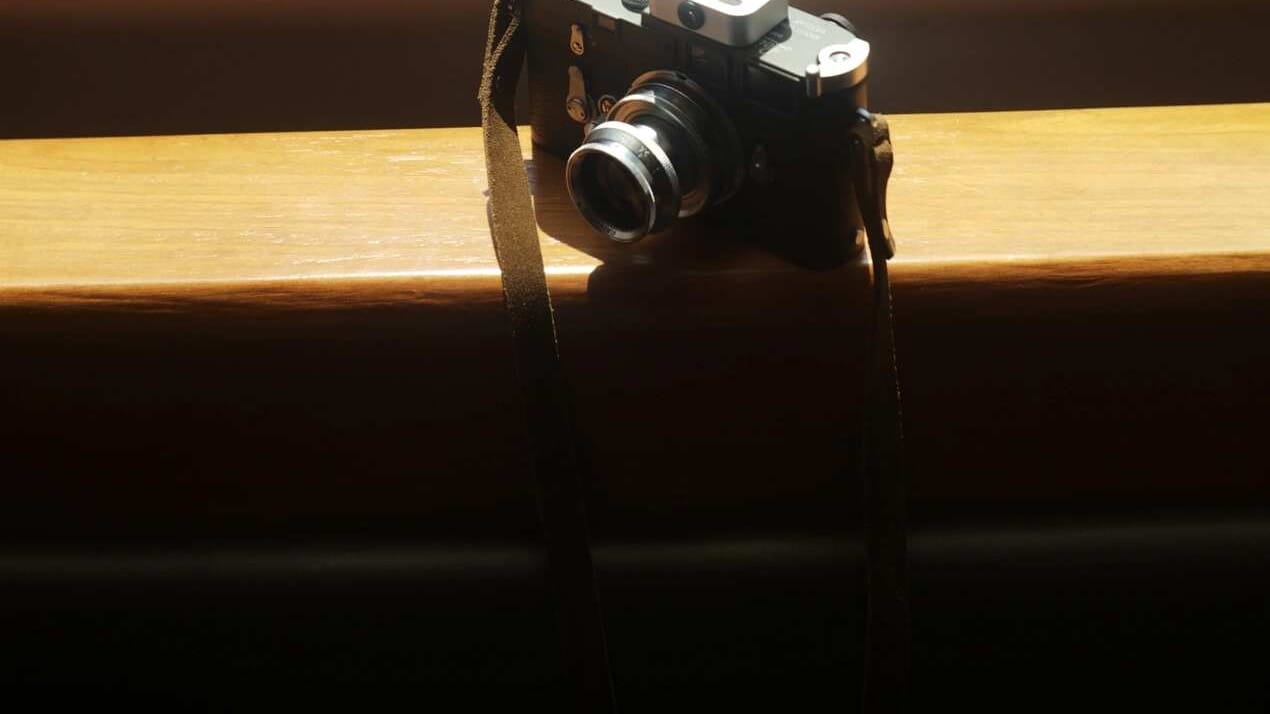
The Summarit 50mm f/1.5 is, in truth, a lens with far too little recognition — so much so that when many people choose a standard Leica lens, their first pick tends to be the Summicron Rigid 50, never realizing that at an even lower price point, there exists another 50mm lens that's both highly cost-effective and highly enjoyable to shoot with: the Summarit 50mm f/1.5.
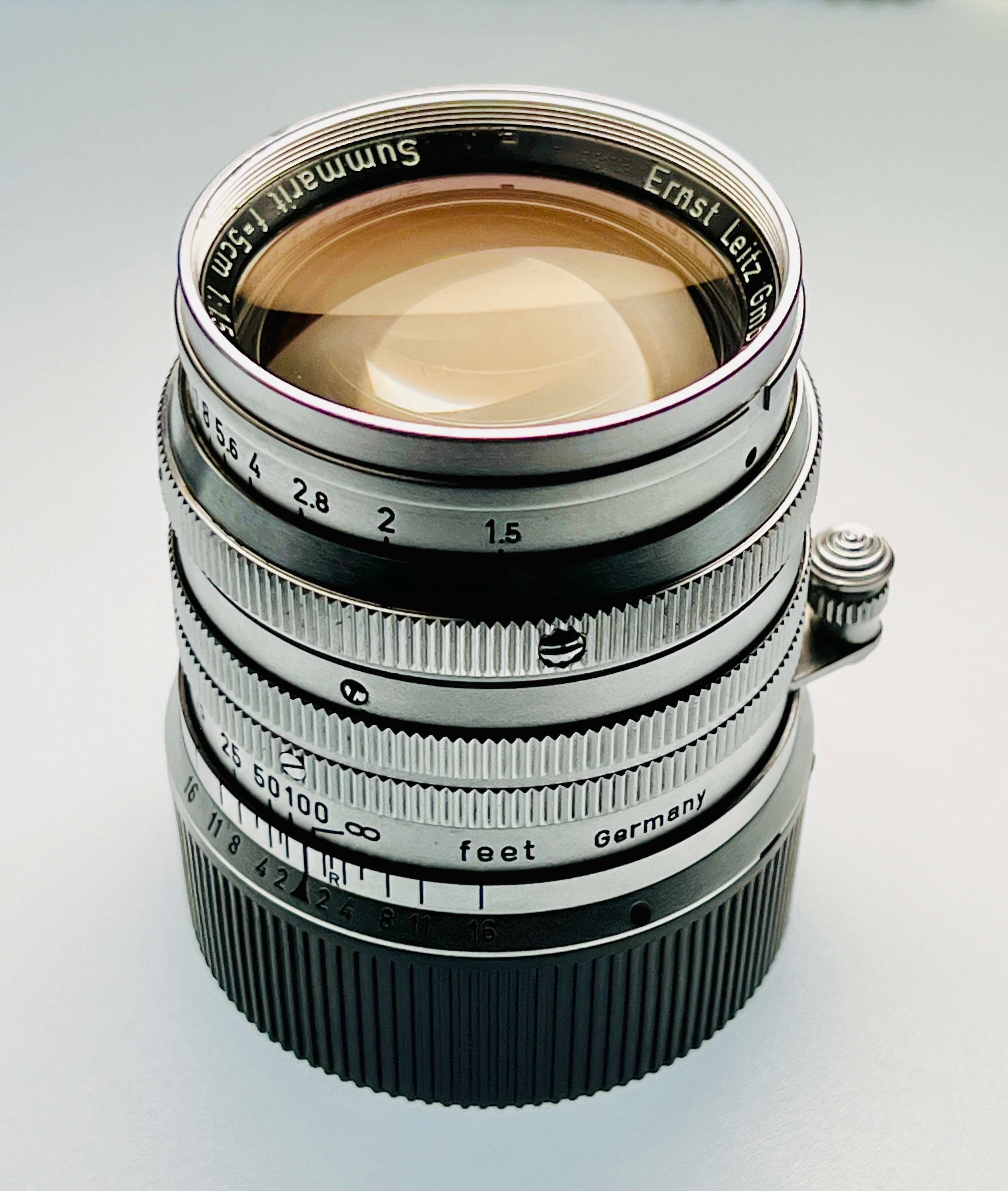
The reason I call it both cost-effective and fun to use is this: wide open at f/1.5, the lens shows a hazy, dreamlike quality caused by spherical and coma aberrations, fairly heavy astigmatism, and pronounced halation around highlights. Yet these very "characteristics" improve dramatically once stopped down just one stop to f/2 — surprisingly, the resolution at that point comes very close to the Rigid's performance wide open at f/2, with contrast noticeably improved both in the center and the corners. The difference between this lens wide open and stopped down by one stop is so pronounced it almost feels like two different lenses. But it's precisely that strong low-contrast, hazy character at f/1.5 that gives this lens its charm — allowing it to produce beautifully soft images in situations that call for that dreamlike quality, while also being capable of sharp, "normal" images once stopped down by 1–2 stops (see below).
 7




The out-of-focus rendering of this lens is equally distinctive: it shows some very characteristic bright-edged bokeh highlights, a relatively uncommon bokeh shape, fairly heavy optical vignetting, and a strong influence from coma aberration.


Historically, this lens was originally introduced to compete with Zeiss's Sonnar 50mm f/1.5. In fact, it was designed and manufactured by Schneider, adapted from Schneider's own 16mm cine lens design, the Xenon 25mm f/1.5, and reworked into a full-frame 50mm f/1.5. Ever since its creation, this lens has been closely intertwined with the history of patents, war, and the broader evolution of optics. Later on, the Summilux E43 was developed based on the Summarit's optical formula — and you can indeed find certain stylistic traits shared between the two. It's truly a fascinating lens.